
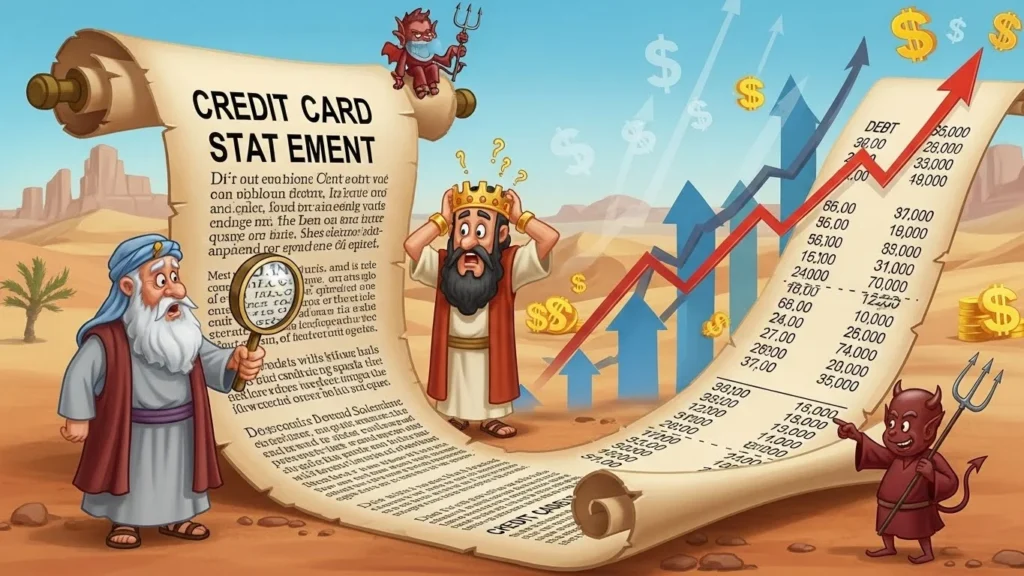

Bible Verses About Debt (NIV)
Proverbs 22:7
“The rich rule over the poor, and the borrower is slave to the lender.”
Debt can limit freedom.
God warns about the burden borrowing can create.
This verse encourages wise financial choices.
Romans 13:8
“Let no debt remain outstanding, except the continuing debt to love one another.”
God desires financial integrity.
Love is the only lasting obligation.
This verse promotes responsibility and grace.
Proverbs 21:5
“The plans of the diligent lead to profit as surely as haste leads to poverty.”
Careful planning protects against debt.
Rushed decisions often bring loss.
This verse encourages patience and wisdom.
Deuteronomy 28:12
“You will lend to many nations but will borrow from none.”
God’s blessing includes financial stability.
Freedom from debt reflects provision.
This verse inspires hope for abundance.
Psalm 37:21
“The wicked borrow and do not repay, but the righteous give generously.”
Honesty matters to God.
Repayment reflects integrity.
This verse encourages faithful stewardship.
Luke 14:28
“Suppose one of you wants to build a tower. Won’t you first sit down and estimate the cost?”
Jesus teaches wise planning.
Counting the cost prevents unnecessary debt.
This verse encourages thoughtful decisions.
Proverbs 6:1–2
“If you have put up security for your neighbor… you have been trapped by what you said.”
Debt can bring unexpected consequences.
God warns against careless commitments.
This verse promotes caution and discernment.
Matthew 6:24
“You cannot serve both God and money.”
Debt can shift priorities.
God desires full devotion.
This verse invites heart examination.
Hebrews 13:5
“Keep your lives free from the love of money and be content with what you have.”
Contentment protects against debt.
God promises His presence.
This verse encourages trust over greed.
Proverbs 13:11
“Dishonest money dwindles away, but whoever gathers money little by little makes it grow.”
Slow progress builds stability.
Quick gain often leads to loss.
This verse encourages steady faithfulness.
Theological Overview: Debt in the Bible
When studying what does the Bible say about debt, Scripture presents debt as something to approach with caution, not condemnation.
The Bible does not call borrowing a sin, but it warns of its power to enslave and distract.
God desires His people to live wisely, freely, and dependently on Him.
Financial stewardship reflects spiritual maturity.
Debt becomes dangerous when it replaces trust in God or burdens others.
God’s heart is for freedom, generosity, and peace.
Practical Application: Godly Wisdom for Managing Debt
Pray for wisdom and self-control.
Create a realistic plan to repay what you owe.
Avoid unnecessary borrowing.
Practice contentment and gratitude daily.
Seek wise counsel and accountability.
These steps align finances with faith and encourage long-term freedom.
Short Prayer
Heavenly Father,
You know my financial burdens.
Give me wisdom, discipline, and peace.
Help me trust You as my provider.
Lead me toward freedom and faithfulness.
Amen.